
Your buyers are asking ChatGPT, Gemini and Perplexity for recommendations, or skimming Google's AI Overviews, before they ever reach your website. And they're choosing from the shortlist they get back.
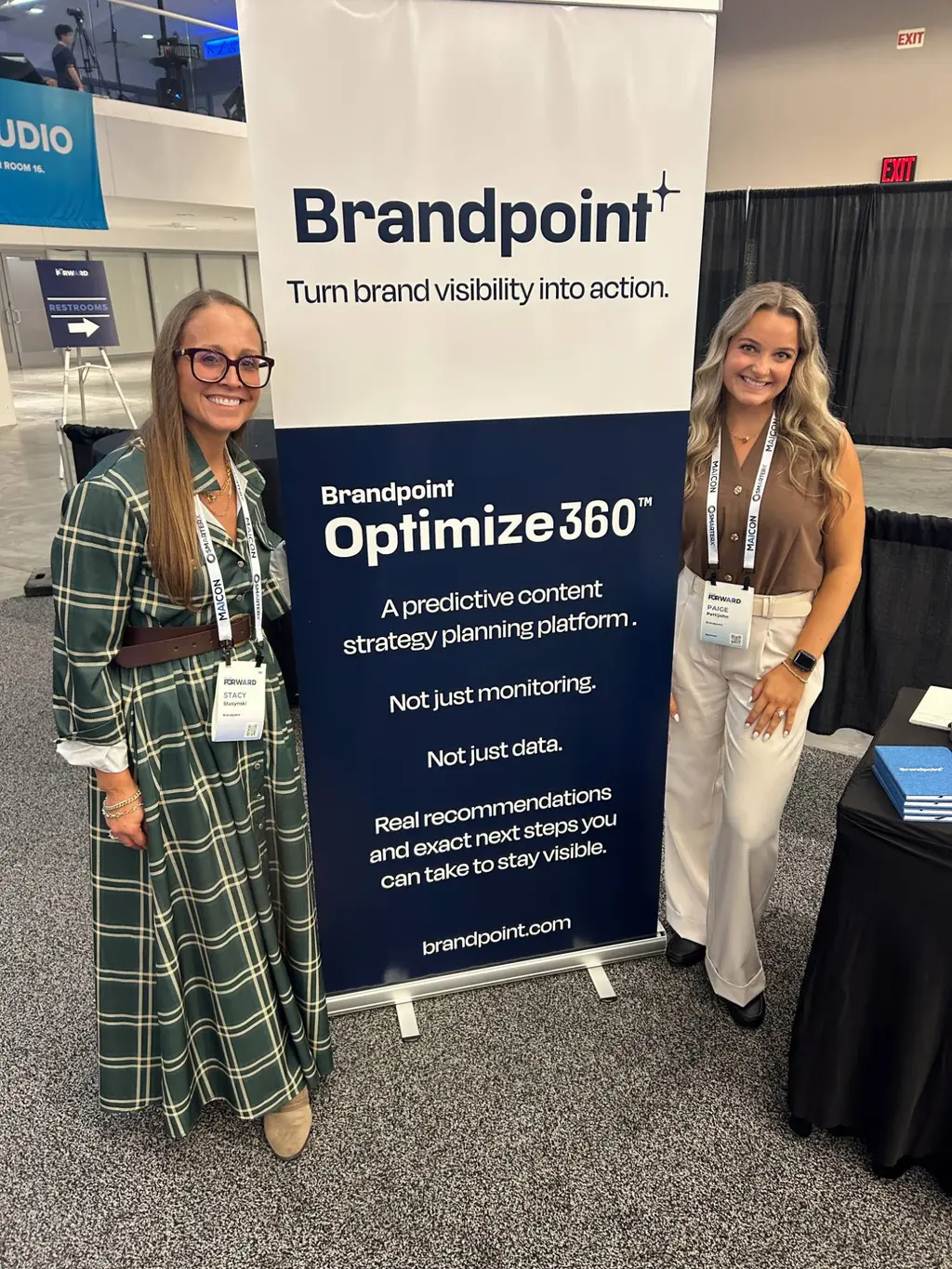
At MAICON 2026, we heard the same lesson in session after session: showing up on that shortlist isn't the win. Being chosen is. And generative engines choose the brands other people already trust.
In this article, we'll cover:
- How generative engines look at what others say about you, not just what you say about yourself.
- Why showing up in generative search isn't the same as being recommended.
- What counts as proof in generative search
- Different ways to develop that trust
The shortlist is the new first impression
A generative search shortlist is a curated list of top options in response to a user prompt or search query.
Research shared at MAICON found that 74% of buyers choose a vendor from a shortlist generated by tools like ChatGPT, and 26% re-rank it by brand familiarity (Kevin Indig research). Those tools don't form their own opinions. They repeat what trusted sources already say. As Wil Reynolds of Seer Interactive put it, search has always been a stand-in for human trust.
If those sources aren't talking about you, you may not make the list at all.
Showing up isn't the same as being chosen
Most conversations about brand visibility focus on showing up. MAICON speakers pushed past that. A brand can appear in generative search results and still get passed over, or be described in a way that sends buyers somewhere else.
And most brands aren't even showing up yet. One MAICON session looked at 2,000 U.S. websites and found that brands appeared in relevant AI answers just 16% of the time. They were cited as a source only 6% of the time.
Even when brands did appear, their message often got lost.
So the real question isn't "Are we showing up?" It's "Are we trusted enough to be recommended?"
What counts as proof to generative search
Speakers had a simple word for this: receipts. That's proof from other people that backs up what you say about yourself.
Earned media and consistent messaging still matter. We've covered both in The Power of Earned Media in 2026 and 11 quick do's and don'ts. But MAICON pointed to a few sources of proof that get less attention:
- The publishers that own your category. Every industry has a few go-to sites that generative engines lean on. For food, it's Allrecipes. For education, it's U.S. News. Brand mentions there carry extra weight.
- Review sites. Buyers check reviews, and so do generative engines. For software, review platforms drive 21% of software citations.
- The places people talk. Generative engines learn about brands from Reddit, LinkedIn and YouTube, not just from your website.
- Real experts. Named people with real expertise make a brand more believable, and specific, quotable insights get repeated.
- Many mentions, not a few big ones. Generative engines look for agreement. Brand mentions across many credible sites build trust, even without a link.
What's missing from that list? Your own website. It still matters, but on its own, it isn't proof.
That's one of the biggest differences between traditional search and generative search. We break down the rest in SEO vs. GEO: What's the Difference, and Why You Need Both.
Five ways to start building that trust
1. See what AI search tools say about you now.
Ask ChatGPT, Gemini and Perplexity the questions your buyers ask, and check what Google AI Overviews shows. Do you appear? How are you described? Who shows up instead? This is the starting point for AI visibility tracking, and it doubles as quick competitive benchmarking.
2. Get covered by the sites that matter in your industry.
Find the publications generative search cites most for your topic, and focus your PR there.
3. Ask for reviews.
Keep your profiles complete and current on the review sites your buyers use.
4. Tell the same story everywhere.
Generative engines trust what they see repeated, so describe your brand the same way on your site, in press coverage and on partner pages.
5. Put your experts out front.
Get your people quoted and bylined, and make their quotes specific and easy to repeat.

The bottom line
The rise of generative engine optimization (GEO) hasn't changed what builds a brand. It has just made trust easier to see and harder to fake. The brands generative search recommends are the ones others vouch for, again and again, on the sites people already rely on.
That's encouraging news for PR and marketing teams, because earning trusted third-party coverage is work they already know how to do.
How Brandpoint Optimize360 can help
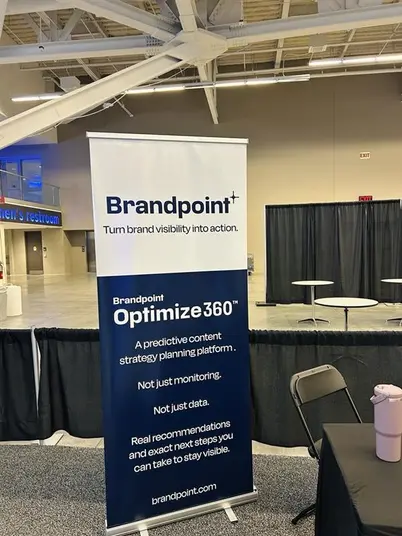
Brandpoint has been placing human-written content on trusted news and media sites for 30 years, and MAICON confirmed that foundation still holds. What's changed is the goal. Being visible is only the start. The brands that win are the ones buyers believe, and ultimately choose.
That's the thinking behind Brandpoint Optimize360, a predictive content strategy planning platform. It gives you:
- An always-on visibility monitoring across ChatGPT, Claude, Gemini and Perplexity
- Insight into where your brand stands in generative search
- Understanding of how you compare with competitors
- The recommended next moves that help your brand go from being seen into being chosen.
And because Brandpoint places human-written content on 3,000+ trusted news and media sites, you can act on those recommendations by earning the brand mentions generative engines look for.
Ready to get started? Contact us!